

Understanding Jaw Joint Problems
The temporomandibular joints connect your lower jaw to your skull and are involved in every movement you make when you speak, chew or yawn. When something is not working well in that system, the result can be pain, clicking, restricted movement or headaches.
At New'Gen Dental Surgery we assess jaw joint symptoms and discuss management options with you.
Send an enquiryCommon Symptoms
- Pain or tenderness in the jaw joint or the muscles around it
- Clicking, popping or grating when opening or closing
- Difficulty opening wide, or the jaw locking
- Headaches, particularly around the temples
- Earache or a feeling of fullness in the ear with no ear infection
- Facial muscle fatigue, often worse in the morning
- Worn, chipped or sensitive teeth
Symptoms often fluctuate. Many people have periods where things settle and periods where they flare, frequently in line with stress.
Contributing Factors
Jaw joint problems rarely have a single cause. Contributing factors can include grinding or clenching, an unbalanced bite, stress, previous injury to the jaw, joint changes or habits such as nail biting and heavy chewing.
Grinding and clenching are common and often happen during sleep, so many people do not realise they are doing it until wear or symptoms appear.
Assessment
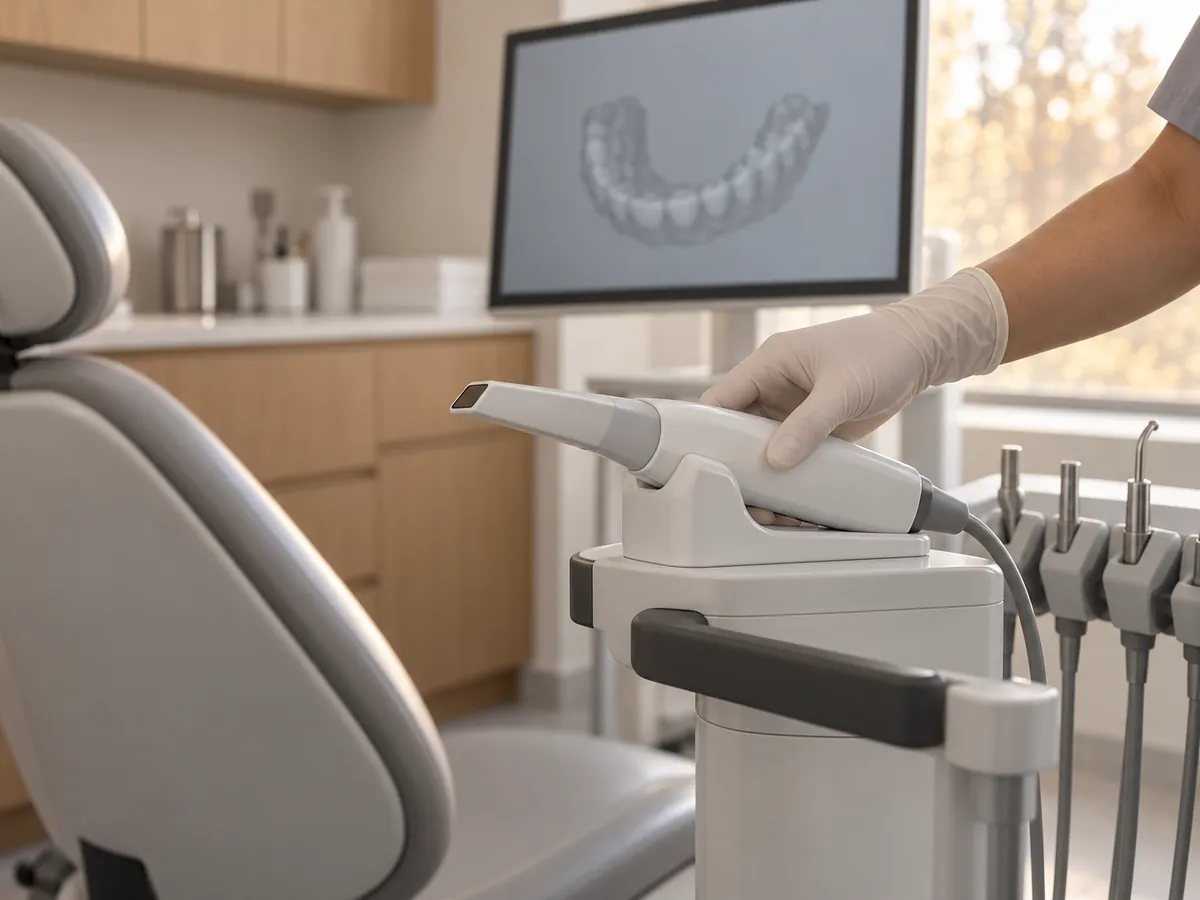
We examine your jaw joints and muscles, check how your jaw moves and where it is restricted, and assess your bite and the wear pattern on your teeth. Imaging such as an OPG may be taken where it is useful.
Understanding what is contributing to your symptoms is what shapes the management plan, so the assessment matters more than jumping straight to treatment.
Management Options
Management depends on what we find and often begins conservatively:
- Advice and self-management — softer foods during flare-ups, avoiding wide opening and hard or chewy items, applying heat, and jaw rest
- Occlusal splint — a custom appliance worn to protect the teeth from grinding forces and help manage muscle symptoms
- Addressing dental factors — treating a bite problem, a broken restoration or a tooth causing interference
- Referral — to your GP, a physiotherapist experienced in jaw problems, or a specialist where symptoms are persistent or complex
We will be honest about what is achievable. Some jaw joint conditions are managed rather than cured, and the aim is to reduce symptoms and protect your teeth from further damage.
Protecting Your Teeth
Grinding places heavy load on teeth and restorations, and can cause wear, cracking and sensitivity. A splint does not stop the habit, but it takes the force instead of your teeth.
If you have cosmetic or restorative work planned, addressing grinding first helps protect that investment.
Book Your Appointment
To have jaw pain assessed, call 03 5792 2055 or send us an enquiry.
- Phone
- 03 5792 2055
- Address
- 72 Anzac Avenue, Seymour VIC 3660
- Hours
- Monday to Friday, 9am to 5pm
Wheelchair access is available at the rear of the practice. HICAPS is available for on-the-spot health fund claiming, so please bring your health fund card. We are a preferred provider for Medibank and Bupa, and we participate in Smile.com.au. Payment plans are available through DentiCare and Pretty Penny Finance.
Health funds




Frequently Asked Questions
Clicking can relate to the disc within the joint moving as you open and close. Clicking without pain or restriction is common and does not always require treatment.
Some symptoms resolve with conservative management, while other conditions are managed rather than cured. Our aim is to reduce symptoms and protect your teeth.
A splint protects your teeth from grinding forces and can help with muscle symptoms. It does not stop the habit or correct every underlying cause.
Stress commonly increases clenching and grinding, which can worsen symptoms. Many patients notice a pattern between stressful periods and flare- ups.
Sometimes. Where symptoms are persistent, complex or involve other medical factors, we may refer you to your GP, a physiotherapist or a specialist.
Yes. Grinding places heavy load on teeth, crowns, veneers and implants, and can cause wear or fracture. A protective splint is often recommended.