

Removing a Tooth When It Is the Right Decision
Taking a tooth out is not our first choice. Where a tooth can be repaired, root treated or stabilised, we will explain those options first and give you time to consider them.
Sometimes, though, a tooth cannot be saved, and leaving it causes more problems than removing it. Dr John Paul Lee has a particular interest in oral surgery, which means many extractions can be managed at our Seymour practice.
Send an enquiryWhen a Tooth May Need to Come Out
- Decay too extensive for the tooth to be restored
- A fracture that extends below the gum line
- Advanced gum disease, where the supporting bone has been lost
- Infection that cannot be resolved with root canal therapy
- Severe crowding, as part of an orthodontic plan
- A baby tooth that is not shedding and is blocking the adult tooth
What Happens at the Appointment
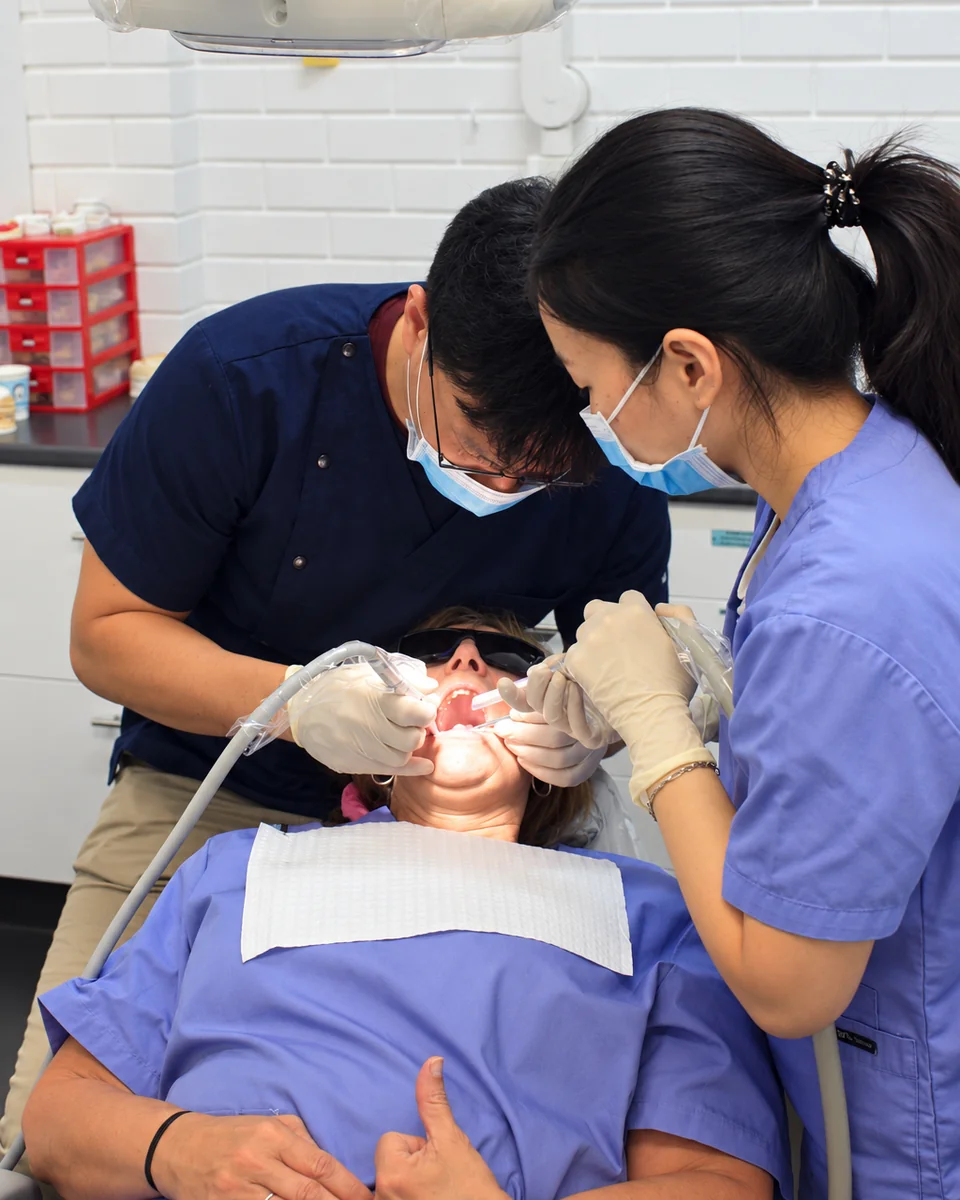
We take any imaging needed to assess the tooth, its roots and the surrounding bone, then talk you through what will happen.
The area is numbed thoroughly before we begin. Most extractions are straightforward, and the tooth is eased out rather than pulled with force. Some teeth need a surgical approach, and we will tell you beforehand if that applies.
Once the tooth is out, we clean the socket and give you clear instructions for the hours and days that follow.
Recovery
Expect the area to be tender for a few days. Some swelling is normal, particularly after a surgical extraction, and generally settles over the following week.
Your aftercare instructions will cover managing bleeding, what to eat, how to keep the area clean and what to avoid — including smoking and vigorous rinsing, both of which can disturb healing.
Contact us if you have heavy bleeding that does not settle, increasing pain after the third day, or spreading swelling.
Risks We Will Discuss
Every extraction carries some risk. Depending on the tooth, this may include bleeding, infection, dry socket, sinus involvement with some upper back teeth, or damage to a neighbouring tooth or restoration. We explain the risks relevant to your tooth before you consent.
Replacing the Tooth
Some gaps do not need filling. Others do, because the neighbouring teeth can drift and the opposing tooth can over-erupt, which affects your bite over time.
Where replacement is worth considering, we will explain your options — an implant, a bridge or a denture — including the cost and what each involves. It is often easier to plan this before the extraction rather than afterwards.
Book Your Appointment
To have a tooth assessed, call 03 5792 2055 or send us an enquiry.
- Phone
- 03 5792 2055
- Address
- 72 Anzac Avenue, Seymour VIC 3660
- Hours
- Monday to Friday, 9am to 5pm
Wheelchair access is available at the rear of the practice. HICAPS is available for on-the-spot health fund claiming, so please bring your health fund card. We are a preferred provider for Medibank and Bupa, and we participate in Smile.com.au. Payment plans are available through DentiCare and Pretty Penny Finance.
Health funds




Frequently Asked Questions
The area is numbed first, so you should feel pressure rather than pain during the procedure. Tenderness afterwards is expected and managed with the aftercare advice we give you.
The gum surface generally closes over within a couple of weeks, while the bone underneath continues to fill in over several months. Most patients feel comfortable within a few days.
Many patients do after a straightforward extraction. If a surgical procedure is planned, we will suggest allowing yourself the rest of the day.
A painful condition that can occur when the blood clot at the site is disturbed, often around day three. Following the aftercare advice reduces the risk, and we can treat it if it happens.
Not always. It depends which tooth it is and how it affects your bite. We will tell you honestly whether replacement is worth considering in your case.
Urgent treatment can usually proceed, often with timing considerations. Please tell us you are pregnant so we can plan your care and any imaging appropriately.