

Replacing Missing Teeth
Dentures replace missing teeth and the surrounding tissue, restoring chewing function, speech and the appearance of your smile. They remain a practical and affordable option for many patients, particularly where several teeth are missing.
At New'Gen Dental Surgery we discuss all the options for replacing missing teeth, including dentures, bridges and implants, so you can choose what suits your circumstances.
Send an enquiryTypes of Dentures
Full dentures
Used when all the teeth in an arch are missing, a full denture replaces the whole upper or lower arch and rests on the gum and underlying bone.
Partial dentures
Where some natural teeth remain, a partial denture fills the gaps and is held in place using clasps or attachments that engage the remaining teeth.
Implant-supported options
Implants can be used to hold a denture more securely, which can improve stability and comfort for some patients. Suitability depends on your bone, gum health and general health. This is discussed as part of an implant assessment.
What the Process Involves
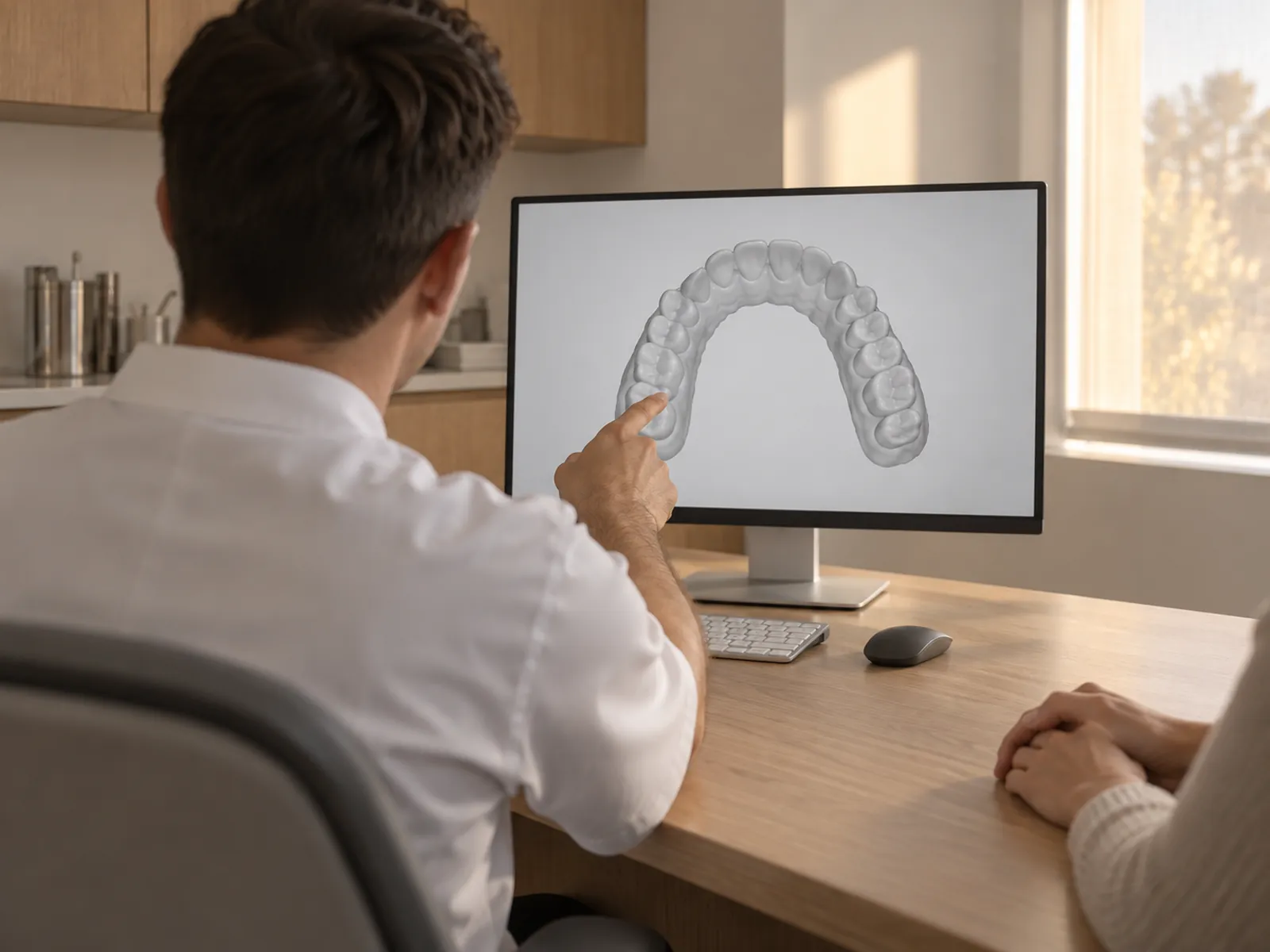
Making a denture takes several appointments. We take impressions or digital scans, record how your jaws relate to each other, and check the shape, shade and position of the teeth at a try-in stage before the denture is finished.
That try-in stage matters — it is your opportunity to comment on the appearance before the denture is completed.
Adjusting to a New Denture
New dentures take time to get used to. In the early weeks it is common to notice increased saliva, some difficulty with certain sounds, and sore spots where the denture presses on the gum.
Sore spots are normal and are easily adjusted. Do not persevere with a denture that is rubbing — call us and we will make the adjustment.
Start with softer foods cut into smaller pieces, and chew evenly on both sides. Speech usually settles within a few weeks of consistent wear.
Looking After Your Dentures
Clean your denture daily over a basin of water or a folded towel, so it is not damaged if dropped. Use a denture brush and a cleaner recommended for the purpose rather than ordinary toothpaste, which can be abrasive.
Take your denture out at night unless advised otherwise, and keep it moist. Continue to clean any remaining natural teeth and your gums thoroughly.
Ongoing Reviews
The gums and bone beneath a denture change shape over time, which means a denture that fitted well can loosen. Regular reviews allow us to check the fit and reline or remake it when needed. Continue to attend check-ups even if you have no natural teeth, so we can assess your gums and soft tissues.
Book Your Appointment
To discuss dentures, call 03 5792 2055 or send us an enquiry.
- Phone
- 03 5792 2055
- Address
- 72 Anzac Avenue, Seymour VIC 3660
- Hours
- Monday to Friday, 9am to 5pm
Wheelchair access is available at the rear of the practice. HICAPS is available for on-the-spot health fund claiming, so please bring your health fund card. We are a preferred provider for Medibank and Bupa, and we participate in Smile.com.au. Payment plans are available through DentiCare and Pretty Penny Finance.
Health funds



Frequently Asked Questions
Several appointments are usually required over a few weeks, including impressions, records, a try-in and fitting. We will give you a timeframe at your first visit.
Some awkwardness and a few sore spots are normal early on. Contact us for adjustments rather than putting up with a denture that rubs.
Start with softer foods in small pieces and chew on both sides. Most patients adapt over time, though some foods remain more difficult than with natural teeth.
Usually yes, unless we advise otherwise. This gives your gums a rest. Keep the denture moist while it is out.
Yes, in time. Gums and bone change shape, and dentures wear. A reline or remake is often needed after some years.
Neither is better in every case. Dentures are less invasive and generally more affordable, while implants offer greater stability. We will explain the pros and cons of each for your situation.