

Assessment First, Removal Only If It Is Needed
Wisdom teeth are the last molars to come through, usually in the late teens or early twenties. For some people they arrive without any trouble at all. For others there is not enough room, and the tooth becomes impacted or only partly erupts.
Dr John Paul Lee has a particular interest in oral surgery, so wisdom teeth can be assessed and, in many cases, removed at our practice in Seymour rather than requiring a trip to Melbourne.
Send an enquiry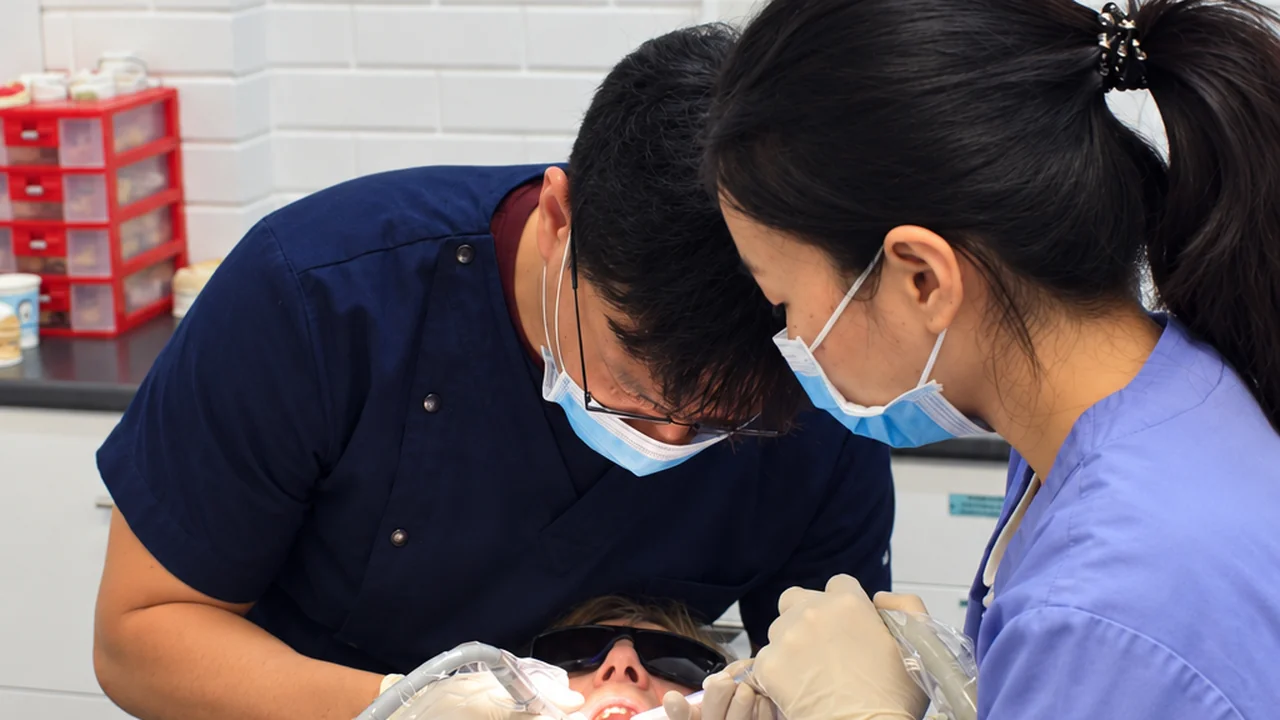
Not Every Wisdom Tooth Needs Removing
A wisdom tooth that is healthy, fully through, in a sensible position and able to be cleaned properly can usually be left alone and monitored at your routine visits.
We do not recommend removing teeth that are not causing a problem and are unlikely to. Where we do recommend removal, we will explain exactly why.
Signs a Wisdom Tooth Is Causing Trouble
- Pain or pressure at the back of the jaw
- Swollen, tender or repeatedly infected gum over a partly erupted tooth
- Food trapping behind the second molar
- Decay in the wisdom tooth or the tooth in front of it
- Difficulty opening, or a bad taste that keeps returning
- Persistent jaw ache on one side
A partly erupted wisdom tooth is difficult to clean, which is why infection around the gum flap is one of the most common problems we see.
How We Assess Them
We examine the area and take an OPG, a single X-ray that shows both jaws in one image. This lets us see the position of the tooth, the shape and depth of its roots, and how close it sits to nearby structures such as the nerve in the lower jaw.
That assessment determines whether removal is straightforward or surgical, whether it can be done here, and what risks apply in your case. Where a tooth would be better managed by a specialist oral and maxillofacial surgeon, we will refer you.
The Procedure
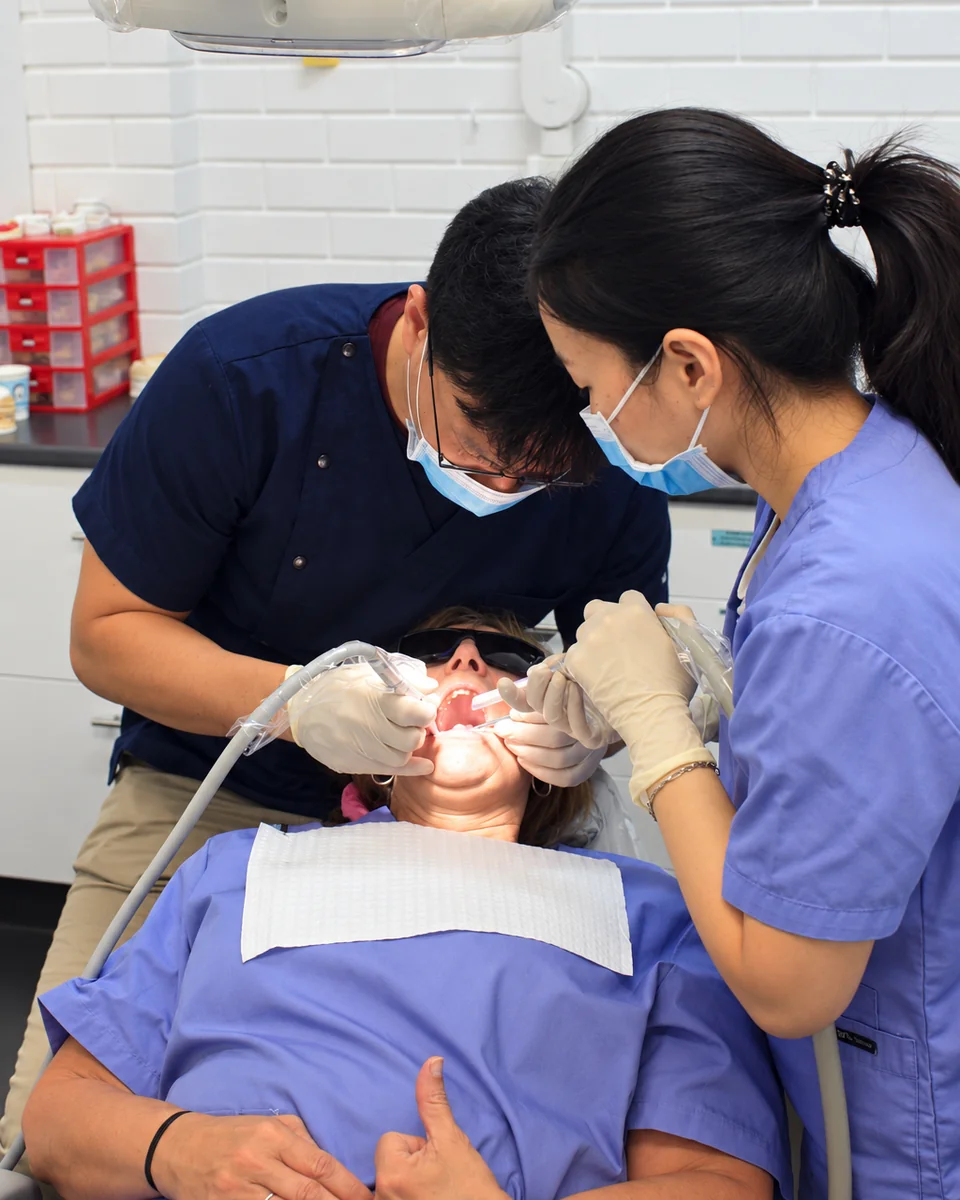
The area is numbed thoroughly. A fully erupted wisdom tooth is often removed much like any other tooth. An impacted tooth requires a surgical approach, which may involve lifting the gum and removing the tooth in sections. Stitches are sometimes placed.
We will explain which applies to you, how long it should take and what recovery looks like, before you consent.
Recovery and Aftercare
Swelling, discomfort and limited opening for a few days are common after surgical removal, usually peaking around day two or three and improving over the following week.
You will be given clear aftercare instructions covering bleeding, diet, cleaning and what to avoid. Rest for the remainder of the day is sensible, and it is worth planning the procedure when you have a quiet few days.
Risks We Will Discuss
Risks may include bleeding, infection, dry socket, limited jaw opening, sinus involvement with upper wisdom teeth, and temporary or, rarely, longer-lasting altered sensation in the lip, chin or tongue with lower wisdom teeth. These are discussed in the context of your imaging before treatment.
Book Your Appointment
To have your wisdom teeth assessed, call 03 5792 2055 or send us an enquiry.
- Phone
- 03 5792 2055
- Address
- 72 Anzac Avenue, Seymour VIC 3660
- Hours
- Monday to Friday, 9am to 5pm
Wheelchair access is available at the rear of the practice. HICAPS is available for on-the-spot health fund claiming, so please bring your health fund card. We are a preferred provider for Medibank and Bupa, and we participate in Smile.com.au. Payment plans are available through DentiCare and Pretty Penny Finance.
Health funds



Frequently Asked Questions
There is no set age. Removal is based on assessment rather than age, though recovery is often more straightforward in younger patients when roots are less developed.
Not necessarily. Some patients have all four removed together, others one side at a time. We will discuss what suits your case and your recovery.
Many can. Your OPG and examination determine whether the case is suitable here or better managed by a specialist oral and maxillofacial surgeon.
Allow the rest of the day for a straightforward removal. For surgical removal, most patients plan for a few quieter days while swelling settles.
It is a common question. Crowding usually has several contributing factors, and views differ on how much wisdom teeth are involved. We will assess your situation and talk through what we think is happening for you.
It may not need removing. Wisdom teeth that are healthy, well positioned and cleanable are often monitored rather than treated.