

Treating an Infected Tooth Without Removing It
Root canal therapy treats a tooth where the nerve inside has become infected, inflamed or damaged. The aim is to remove the infection and keep the tooth in place, rather than extracting it.
Keeping your own tooth is usually preferable. Natural teeth maintain the bone around them and the position of neighbouring teeth in a way that a replacement cannot fully reproduce.
Send an enquiryWhen Root Canal Therapy May Be Needed
The nerve inside a tooth can be affected by deep decay, a crack, trauma or repeated dental treatment on the same tooth. Signs may include:
- Ongoing or severe toothache
- Prolonged sensitivity to hot or cold
- Pain when biting down
- A darkening tooth
- Swelling or tenderness in the gum near a tooth
- A pimple-like spot on the gum
Some teeth needing treatment cause no symptoms at all and are found on an X-ray.
What Treatment Involves
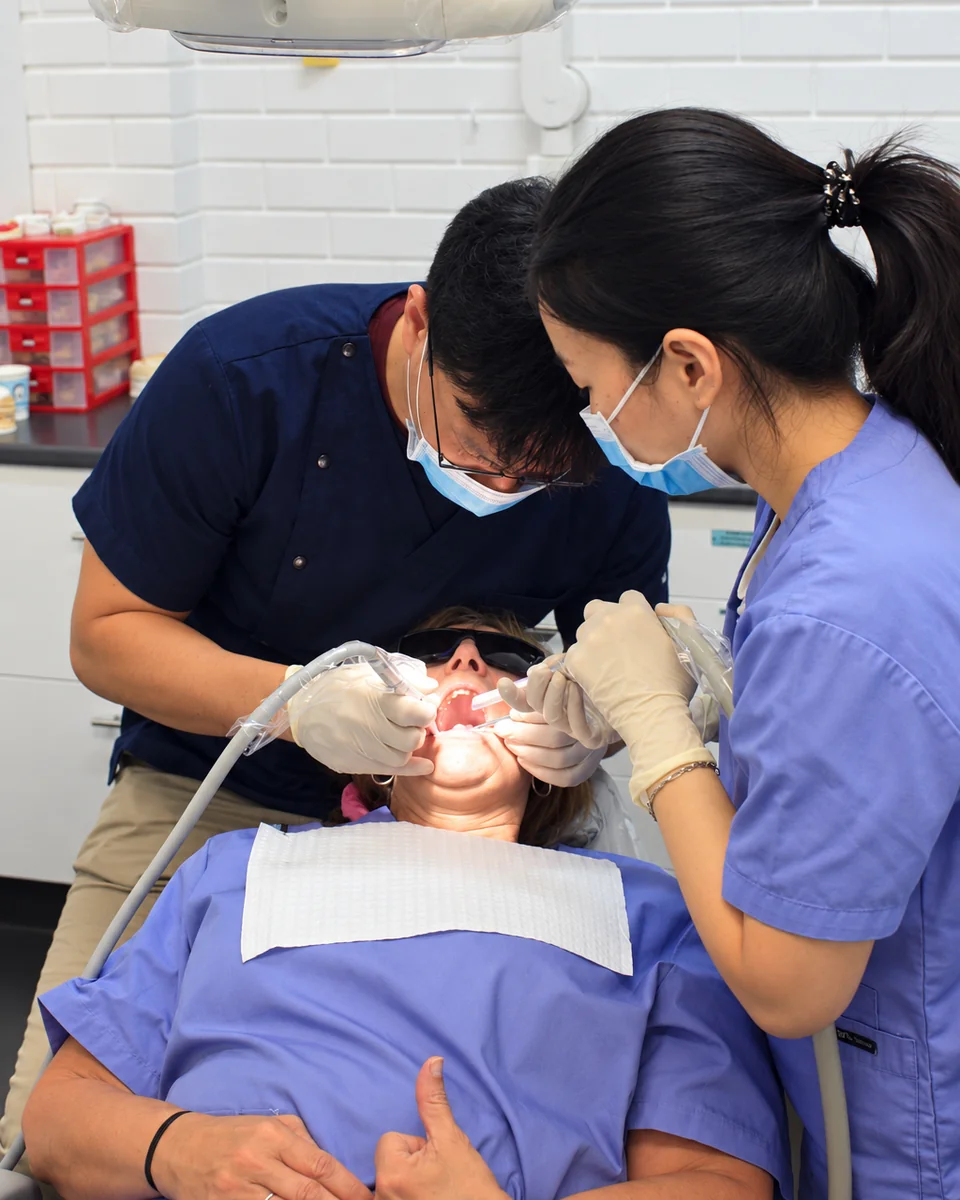
The tooth is numbed, then an opening is made so the canals inside the root can be reached. The infected tissue is removed, the canals are cleaned and shaped, and the space is filled and sealed.
Treatment is usually completed over one or more appointments, depending on the tooth and the extent of infection. We will explain the expected number of visits before we begin.
After Root Canal Treatment
A tooth that has had root canal therapy is more brittle than it was, particularly a back tooth carrying heavy chewing load. A crown is often recommended afterwards to protect it from fracture. We will discuss whether this applies to your tooth.
Some tenderness for a few days is common. Most patients manage this comfortably, and we will explain what to expect and when to contact us.
Honest Advice About Outcomes
Root canal therapy has a good record of success, but no treatment can be guaranteed. Occasionally a tooth does not respond as hoped, or infection returns later, and further treatment or removal may be required.
We will explain the alternatives, including extraction and what replacing the tooth would involve, so you can make an informed decision. Where a case is complex, we may refer you.
Book Your Appointment
If you have toothache, call 03 5792 2055 as early in the day as possible.
- Phone
- 03 5792 2055
- Address
- 72 Anzac Avenue, Seymour VIC 3660
- Hours
- Monday to Friday, 9am to 5pm
Wheelchair access is available at the rear of the practice. HICAPS is available for on-the-spot health fund claiming, so please bring your health fund card. We are a preferred provider for Medibank and Bupa, and we participate in Smile.com.au. Payment plans are available through DentiCare and Pretty Penny Finance.
Health funds



Frequently Asked Questions
The tooth is numbed for the procedure, so treatment is generally comfortable. Many patients find the pain from the infected tooth beforehand is worse than the treatment itself.
It depends on the tooth and the extent of the infection. Some cases are completed in one appointment, others require two or more. We will tell you what to expect beforehand.
Often, particularly for back teeth. A treated tooth is more prone to fracture, and a crown protects it. We will advise whether it is necessary in your case.
Extraction is an alternative, but it leaves a gap that may need replacing with an implant, bridge or denture. We will explain both paths and the cost of each.
Many treated teeth last for years with good care and regular reviews. Longevity depends on how much tooth structure remains, your bite and whether the tooth is protected.
Infection can spread, cause swelling and become more difficult to treat, and may result in losing the tooth. If you have pain or swelling, contact us promptly.